Parents raising children with disabilities.

Parenting a child with cerebral palsy in Nigeria presents unique challenges due to factors such as limited access to specialized medical care, social stigma, and cultural beliefs.
Stereotypes and common misconceptions about people with disabilities in Africa

Assistive technology has the potential to significantly improve the daily lives of individuals with disabilities in Africa. However, access to such technology remains a challenge due to various factors including affordability, infrastructure limitations, and lack of awareness.
Nigerians with disabilities seek inclusion in electoral process

Recent data for persons living with disabilities in Nigeria is hard to come by, but according to a 2018 report from the World Bank, one in six Nigerians are living with a disability. Click here to read full story
35.1m Nigerians living with disabilities – Commission

Mr. James Lalu, the Executive Secretary, National Commission for Persons With Disabilities (NCPWD), says 35.1 million Nigerians are currently living with disabilities.
Kalu advocates 5% employment quota for people with disabilities.

Deputy Speaker of the House of Representatives, Rt. Hon. Benjamin Okezie Kalu ,has called for amendment of Disability Act to provide for at least, five percent quota of employment for People With Disabilities, PWDs.
Celebrating Disability Representation in Media in Nigeria

In recent years, Nigeria has seen a significant shift towards celebrating disability representation in its media landscape. This movement marks a departure from the previous marginalization and stereotyping of individuals with disabilities, instead emphasizing their diverse talents, experiences, and contributions to society.
Assistive Technology on the Daily lives of individuals with disabilities in Africa.
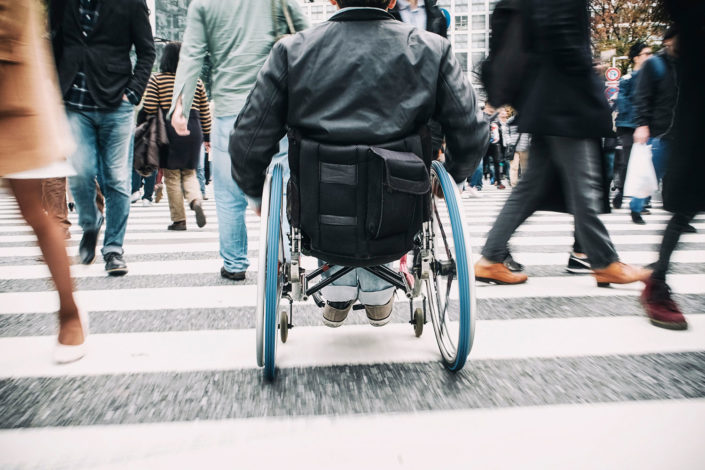
Assistive technology has the potential to significantly improve the daily lives of individuals with disabilities in Africa. However, access to such technology remains a challenge due to various factors including affordability, infrastructure limitations, and lack of awareness.